By a Correspondent
Zimbabwean-born British citizen Ndodana Tshuma, wanted in the United Kingdom over the alleged triple murder of his wife and two daughters, has pleaded guilty to four charges in South Africa as the extradition process against him moves forward.
Tshuma, 45, pleaded guilty to three charges relating to the unlawful possession of a 9mm pistol and ammunition, as well as a charge under the Immigration Act, when he appeared before the Johannesburg Magistrate’s Court on Tuesday.
His appearance forms part of the South African leg of the extradition process, with British authorities seeking his return to the UK, where he faces three counts of murder.
Tshuma, identified by police as Mark Ndodana Mkhanyisi Tshuma, was arrested in Kensington, Johannesburg, on July 10 after Interpol issued a Red Notice following the discovery of three bodies at his home in Bedfordshire.
British prosecutors allege that he murdered his wife, Nothabo Zandile Tshuma, 42, and their daughters, Natalie, 15, and Nala, five.

The bodies were discovered at the family home in Bedford on July 7.
Tshuma had left Heathrow Airport on a British passport on July 4, travelling via Dubai, and arrived at OR Tambo International Airport on July 5.
He was subsequently flagged as a wanted person and arrested several days later.
Police allege that he was found in possession of an unlicensed 9mm handgun, which he had allegedly bought in Alexandra township after arriving in South Africa.
According to police, Tshuma said he had obtained the firearm with the intention of taking his own life.
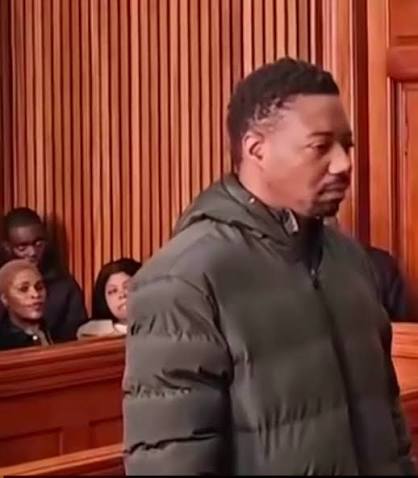
Tshuma is facing two separate legal processes in South Africa — the local criminal case relating to the firearm and ammunition, and the extradition proceedings initiated by the UK.
His lawyer, Chrispin Machingura, told the court that the parties were negotiating a possible Section 105 agreement on how the local criminal case would be concluded.
A Section 105 agreement is a formal plea and sentence agreement between the prosecution and the accused.
Tshuma subsequently entered guilty pleas to three charges arising from the unlawful possession of the firearm and ammunition, as well as one charge under the Immigration Act.
The State had previously indicated that although Tshuma entered South Africa legally on July 5, his status changed after he became a fugitive.
Prosecutors have argued that, under the Immigration Act, he is regarded as both a prohibited and undesirable person and is therefore considered to be unlawfully present in the country.
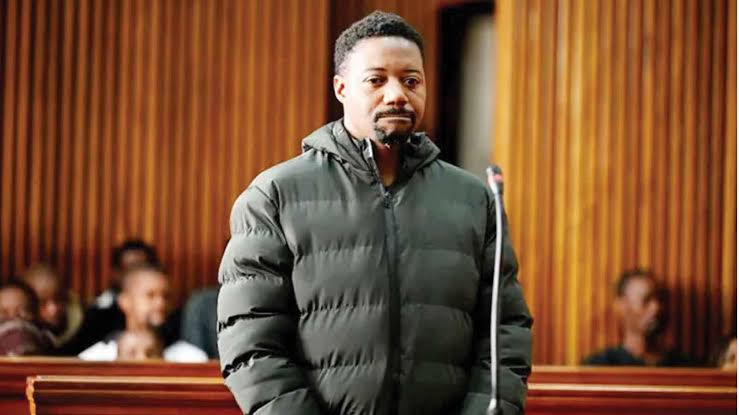
Tshuma previously opted not to apply for bail and remains in custody.
South African prosecutors have indicated that he must first face the local criminal proceedings and serve any sentence imposed for the firearm-related offences before he can be extradited to the UK.
The South African Police Service has also said Tshuma’s family in South Africa did not harbour him.
Instead, his relatives allegedly assisted investigators in tracing him, working with SAPS Interpol Pretoria and organised crime teams.
Meanwhile, South African authorities are awaiting a full extradition request from the UK, including the relevant case docket and supporting documentation.