By a Correspondent
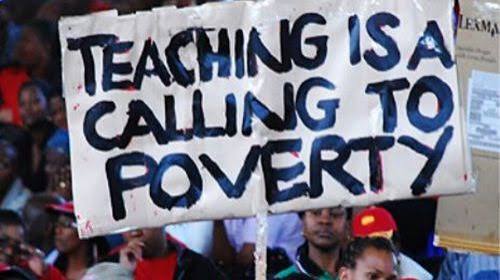
Teachers may be forced to report for duty for only three days a week as mounting financial pressures and low salaries make it increasingly difficult for them to meet their basic needs, teacher unions have warned.
The warning comes as schools re-open for the final and most important term of the academic year, particularly for examination classes.
Amalgamated Rural Teachers Union of Zimbabwe (ARTUZ) president Obert Masaraure said many teachers were struggling to survive on their salaries and could end up working only three days a week as they attempt to supplement their incomes through other activities.
“Teachers are finding it increasingly difficult to survive on their salaries. Some may be forced to work for three days a week and spend the remaining days trying to find alternative sources of income,” Masaraure said.

The warning comes amid rising living costs, which unions say have placed additional pressure on already stretched household budgets.
Progressive Teachers Union of Zimbabwe (PTUZ) president Takavafira Zhou said the welfare of teachers remained a major concern, accusing authorities of failing to adequately address their remuneration and working conditions.
“Teachers have been underpaid for quite a long time and there is virtually nothing being discussed about their welfare,” Zhou said.

Teacher unions also expressed concern over the number of parents who have not yet paid school fees due to economic challenges, warning that this could affect the smooth running of schools.
The unions are calling on government to urgently improve teachers’ salaries and increase funding for education to ensure a conducive learning environment.
The government, however, has maintained that it is committed to improving the welfare of civil servants, including teachers, through a combination of salary adjustments and non-monetary benefits.
Authorities have previously said they have been engaging civil service representatives through the National Joint Negotiating Council on remuneration and conditions of service.
Government has also introduced non-monetary measures for teachers in the past, including school-fee assistance for eligible children, while arguing that salary improvements have to be implemented within the limits of available fiscal resources.
Education has also remained one of the government’s major spending priorities, with the 2026 budget allocating the largest share of expenditure to primary and secondary education, including funding for salaries, infrastructure and learning materials.
However, teachers’ unions argue that the measures being offered have not kept pace with the cost of living and are calling for more meaningful salary increases and improved working conditions.
The unions want Government to urgently address teachers’ remuneration and increase funding for the education sector to ensure schools have a stable workforce and learners receive uninterrupted instruction.
The concerns are particularly significant at the beginning of the third term, traditionally a critical period for candidates preparing for public examinations.