By Correspondent
Zimbabwe is bracing for a potentially severe humanitarian emergency as international climate agencies warn that a rapidly intensifying El Niño could trigger the country’s worst rainfall deficit in more than seven decades.
The warning is contained in a severe weather alert issued by the United Nations Office for the Coordination of Humanitarian Affairs (OCHA) in coordination with regional climate partners.
Experts have assigned a greater than 90% likelihood that the El Niño will reach exceptional strength, posing a serious threat to millions of people whose livelihoods depend on agriculture and livestock.
The forecast presents a potentially devastating outlook for Zimbabwe’s agricultural sector, with dry conditions expected to intensify during the October-to-April rainy season, threatening the crucial planting and crop-growing period.
“There is a 70% chance that October–December rainfall deficits will exceed those recorded during any El Niño year since 1950,” OCHA warned, pointing to the possibility of one of the country’s most severe climate shocks in decades.
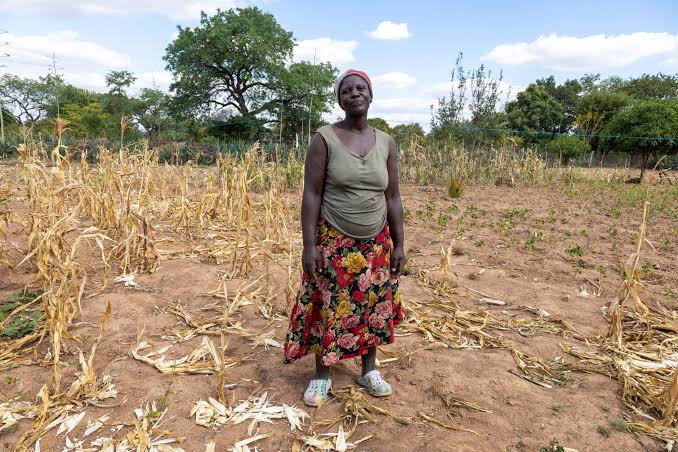
For a nation still recovering from the devastating 2023/24 drought—which depleted grain reserves, decimated livestock, triggered widespread cholera outbreaks and prompted the declaration of a national state of disaster—the timing could hardly be worse.
Although improved yields during the 2025/26 agricultural season provided some temporary relief, underlying vulnerabilities remain severe, particularly in rural communities that depend heavily on rain-fed agriculture.
In its regional risk matrix, OCHA has classified Zimbabwe as a country of “high concern.” Analysts project that rural households could fall into “Stressed (Phase 2)” conditions and deteriorate to “Crisis (Phase 3)” between October 2026 and January 2027 as crop production declines and fuel and transport costs rise.
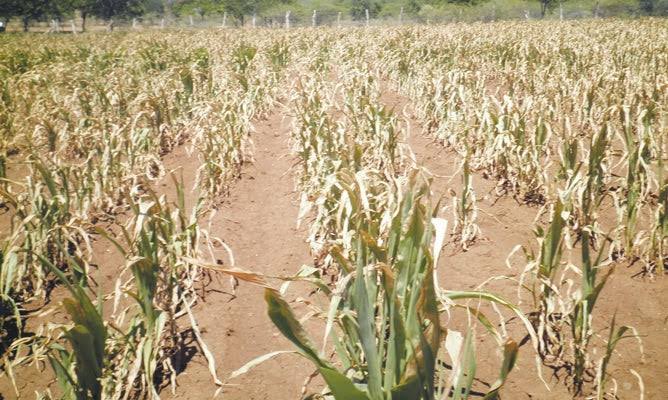
The threat extends across Southern Africa, where 13.3 million people are already facing acute food insecurity.
Neighbouring Zambia and Angola have also been classified as countries of “high concern,” while Malawi, Mozambique and Madagascar face even higher levels of risk.
In response, local authorities and humanitarian agencies are seeking to activate emergency drought-response measures, including the early distribution of drought-tolerant seeds, livestock protection and water-harvesting initiatives ahead of the planting season.
However, these efforts face severe financial constraints, with approximately 80% of regional mitigation plans reportedly remaining unfunded.
Climate experts have stressed that the coming eight to 12 weeks represent a critical window for governments and humanitarian agencies to stockpile grain, secure water supplies and support farmers ahead of the planting season.
Humanitarian partners warn that interventions delivered after October could come too late to prevent significant losses of crops and livestock and a further deterioration in food security.