By Kudzai Jakachira
A total of 4,731 Zimbabwean offenders are serving prison sentences in South Africa, as the two neighbouring countries move towards implementing an agreement that could allow prisoners to serve their sentences in their countries of origin.
South Africa’s Department of Correctional Services says more than 30,000 foreign nationals are currently incarcerated in the country’s correctional facilities, placing additional pressure on an already overcrowded prison system.
Correctional Services spokesperson Singabakho Nxumalo, speaking in an interview with Newzroom Afrika, said South Africa and Zimbabwe have signed a Memorandum of Understanding (MOU) establishing a framework for cooperation between their correctional services.
The agreement could eventually facilitate the transfer of sentenced prisoners to their home countries, while also improving information sharing and cooperation between the two governments.
“What happened is that South Africa and Zimbabwe concluded a memorandum of understanding in a way that establishes a framework for cooperation between correctional services in South Africa and Zimbabwe prisons and correctional services,” Nxumalo said.
However, he stressed that the MOU did not mean prisoners would immediately be transferred across the border.
“This is a framework. The parole regime is not the same for all countries,” he said.
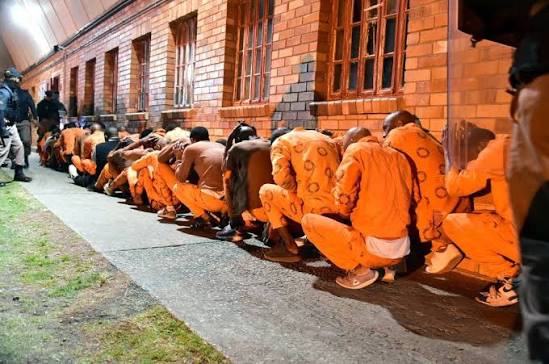
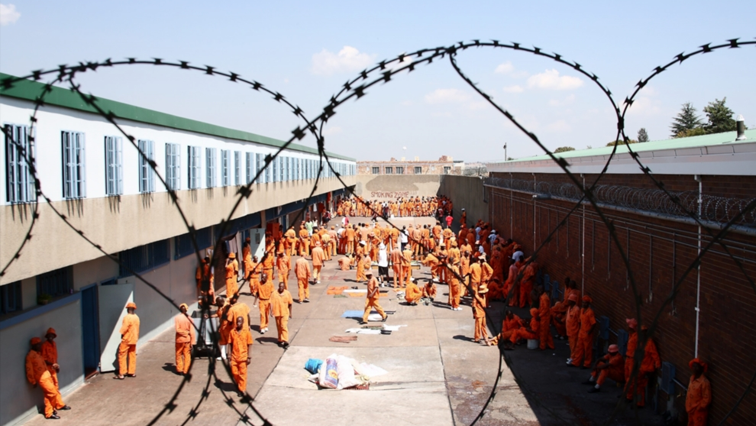
South Africa currently has 173,955 inmates, with its correctional facilities operating at an estimated 62% above capacity, according to Nxumalo.
Foreign nationals account for 30,527 inmates, of whom 15,284 are sentenced offenders, while the remainder are awaiting the conclusion of their court cases.
Zimbabweans are among the largest groups of foreign nationals in South African prisons, alongside nationals from Mozambique, Malawi and Lesotho.
Nxumalo said sentenced prisoners were the group that could potentially qualify for transfers once formal arrangements had been concluded with their respective countries.
However, he said it was too early to determine how many Zimbabwean prisoners would ultimately be transferred because countries have different sentencing and parole systems.
“In some countries, their parole regime is that if you are sentenced to life, you serve your entire term in a correctional facility. Whereas with South Africa, you will serve at least 25 years,” he said.
The department’s research also found strong support among foreign prisoners for serving their sentences closer to home.
Nxumalo said more than 80% of foreign nationals surveyed indicated that they would prefer to serve their sentences in their home countries, allowing them to remain closer to their families.
The presence of foreign prisoners also comes at a significant cost to the South African government.
According to Nxumalo, South Africa spends about R483 per inmate per day, meaning the 30,527 foreign nationals currently in correctional facilities cost the state approximately R14 million a day, or about R5.4 billion a year.
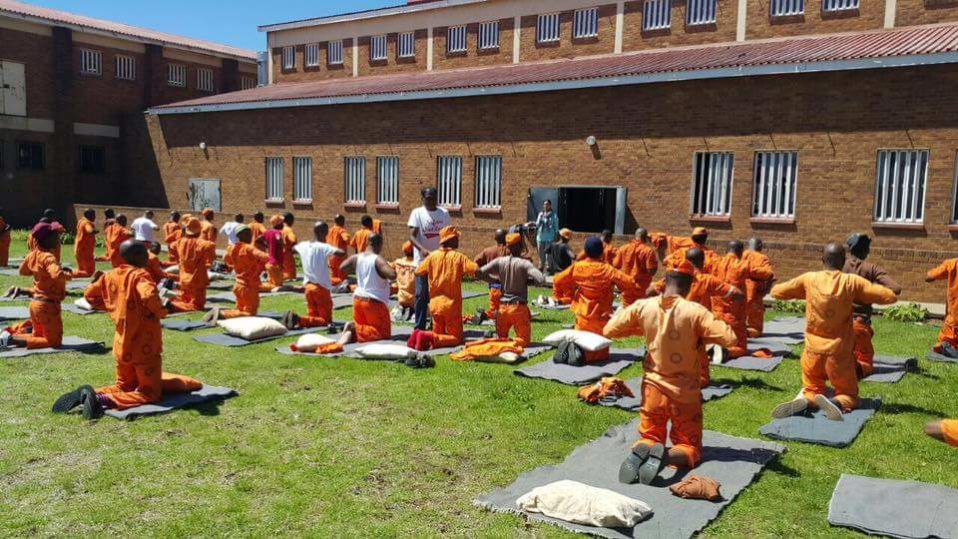
He said the Department of Correctional Services was prioritising agreements with neighbouring Southern African Development Community (SADC) countries because they account for a significant proportion of foreign nationals in South African prisons.
The proposed transfers could help reduce pressure on overcrowded correctional facilities, although Nxumalo cautioned that they would not resolve South Africa’s prison overcrowding crisis on their own.
“We are doing that, but it will never be enough until we solve the issue of crime,” he said.
He said overcrowding was a broader criminal justice challenge involving court backlogs, sentencing practices, violent crime and the need to consider alternatives to imprisonment.
Addressing the problem, he added, would therefore require coordinated action across the criminal justice system rather than relying solely on the Department of Correctional Services.